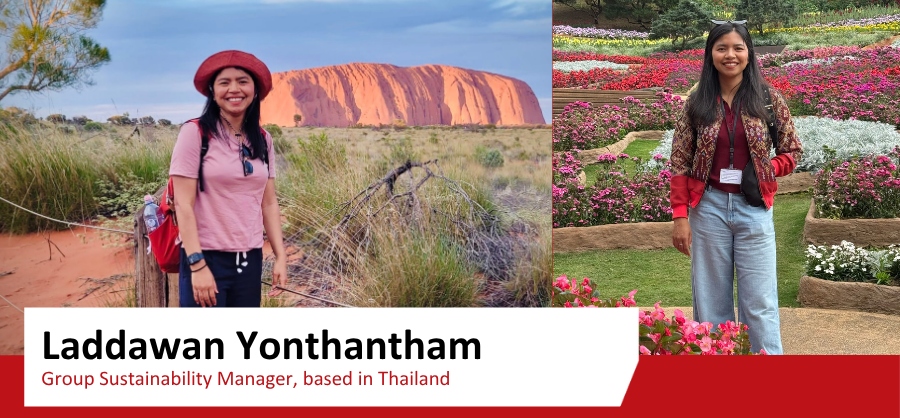
In this interview, Ladda shares her perspective on sustainability across our network, from balancing shared standards with local realities to creating more meaningful benefits for communities and destinations. Drawing on her background in conservation biology and sustainable tourism management, she also reflects on the role tourism can play in Asia by protecting culture, supporting local livelihoods, and shaping more responsible travel experiences.
What is your role as Group Sustainability Manager?
My role is to help guide and strengthen Destination Asia’s sustainability approach across the network, so all of our destinations are working towards the same long-term goals. This involves developing group-wide policies, priorities, and standards, such as our Group Sustainability Policy, Animal Welfare Standards, and Child Protection Policy, ensuring they are aligned with recognised sustainability frameworks, including GSTC. My work also focuses on translating these commitments into practical action across the business, from supporting more consistent supplier standards and reporting processes to improving staff awareness and sustainability training.
A key part of the role is balancing standards with the different challenges and opportunities each destination faces, so sustainability becomes part of day-to-day decision-making rather than a separate initiative.
What motivated you to work in sustainable tourism, and what does it mean to you personally?
My background is in conservation biology, and through this, I became interested not only in protecting nature but also in understanding how closely people and communities are connected to it. One of the biggest lessons for me was that conservation and economic realities must work together. Sometimes people do not make the best choices, not because they do not care, but because they do not fully understand the impact or cannot see a realistic alternative.
That perspective stayed with me and ultimately led me to pursue a master’s in International Sustainable Tourism Management, so I could apply my knowledge in a more practical and industry-focused way. For me, sustainable tourism is about creating a balance where tourism supports local livelihoods, respects culture, and helps protect the places that make travel meaningful in the first place.
What are the key pillars guiding Destination Asia’s sustainability strategy?
Destination Asia’s sustainability strategy is guided by four main pillars. The first is protecting natural environments, including areas such as resource use, waste, emissions, and ensuring tourism activities do not negatively impact wildlife or sensitive environments.
The second is respecting culture and destination integrity, so tourism supports local identity rather than diluting it. The third focuses on people, human rights, and ethical standards, including labour rights, child protection, animal welfare, and responsible business practices.
The fourth is responsible supply chain management, because our impact is also shaped by the partners and suppliers we work with across the region. For example, that can include assessing suppliers against sustainability criteria or encouraging partners to adopt stronger responsible tourism practices over time.
How do we ensure sustainability is applied consistently across multiple destinations?
Consistency starts with a clear group-wide direction, so every destination works towards the same sustainability objectives, and this is where my role comes in.
It is a balancing act between setting policies, minimum standards, and clear expectations across the business, while understanding that implementation may look different because each market operates within its own cultural, regulatory, and operational environment. For example, the sustainability priorities or supplier challenges in Indonesia may differ significantly from those in Japan, even though the overall standards remain the same.
The goal is not to make every destination identical, but to ensure the same principles are being applied across the network. We support that through regular communication, training, monitoring, and ongoing follow-up, so sustainability is reflected in operational decisions and ways of working, not just written policies.
Can you share an example of how we are supporting local communities through our programs?
One way we approach local engagement is through the design of our experiences. Rather than treating community support as something separate from tourism, we believe it should be integrated into the visitor experience itself. This can include working with community-based tourism initiatives, supporting locally owned businesses, or creating opportunities for travellers to engage with local culture in a respectful and meaningful way.
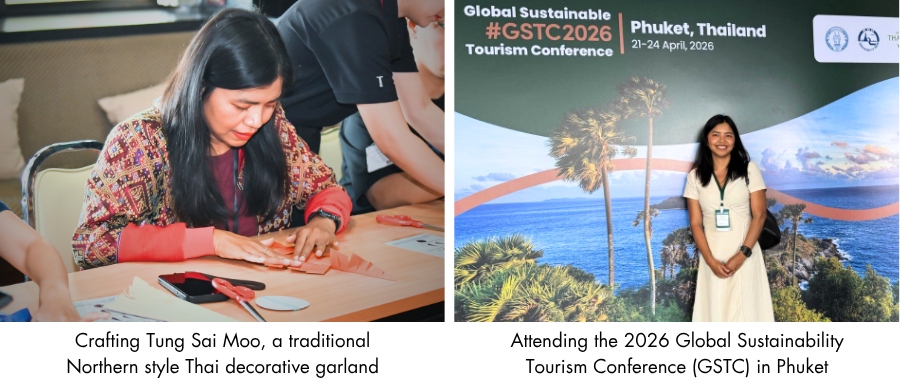
A good example is my recent visit to Doi Tung in Chiang Rai, Thailand, where the experience helped highlight how tourism can support local livelihoods, cultural understanding, and community-based development. The aim is for tourism to create more direct local benefits, while also giving travellers a deeper understanding of the destination beyond the typical visitor experience.
What should clients look for when choosing a responsible DMC partner?
Clients should look beyond broad sustainability claims and consider how that commitment is reflected in day-to-day operations. A credible partner should be able to demonstrate clear policies, practical action, and a consistent approach to environmental, social, and ethical responsibility. That includes how it works with local communities and suppliers, how sustainability influences product design and operational decisions, and how it supports and develops its own people.
A responsible DMC can explain how suppliers are selected, how staff are engaged on sustainability issues, or how responsible practices are monitored and improved over time. In many ways, the strongest indicator is whether a company operates responsibly across all areas of the business, not just in its external messaging. –
How can travellers make more responsible choices when visiting Asia?
Travellers can make more responsible choices by visiting with greater awareness, curiosity, and respect. Often, this comes down to simple decisions, such as supporting local businesses, being mindful of waste, respecting local customs, and choosing experiences that care for communities, culture, and nature. It can also mean travelling more slowly, staying longer, and looking beyond the most familiar bucket-list attractions. Just as importantly, choosing a trusted DMC matters as well. The right partner can help shape a more responsible journey by offering better-informed choices, selecting experiences more carefully, and guiding travellers towards options that create a more positive impact on the destination.
Where is your favourite place to travel to within Asia and why?
It’s difficult to choose just one favourite place in Asia because every destination in the region offers something completely different, but for me, it would still be Thailand. Perhaps I am a little biased, being Thai myself, but I genuinely feel there are many places here that remain underappreciated internationally. I feel especially connected to Northern Thailand, particularly Chiang Rai, which stands out for its beautiful landscapes, distinctive food culture, and the opportunity to experience the diversity of ethnic communities and local traditions.
I also love destinations like Lampang for its strong cultural character and Nan for its natural beauty and slower pace of life. What I appreciate most about these places is that they still feel deeply connected to local life and identity. They remind me that some of the most meaningful travel experiences often come from places that feel authentic, less commercialised, and more grounded in their culture and community.